
Visita medica agonistica: in Italia è obbligatoria, altrove non sempre lo è...

1 giorno fa 2
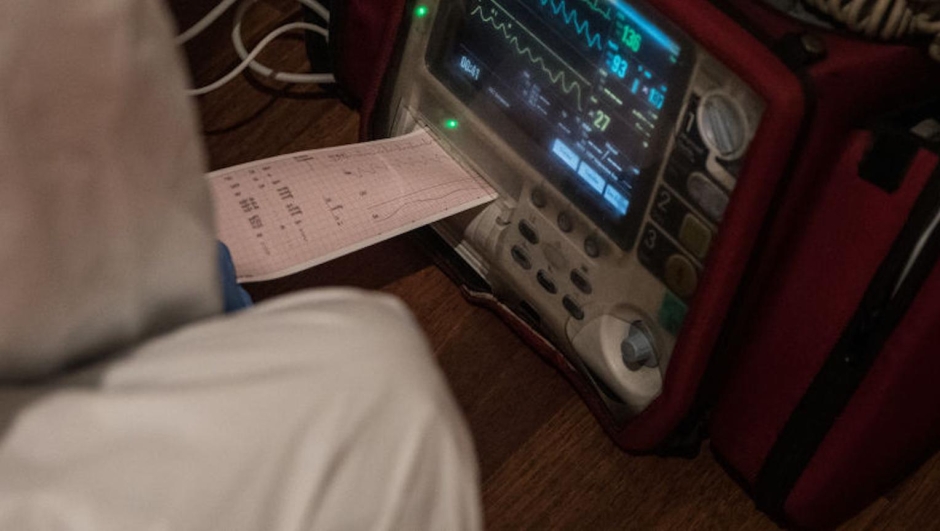
 A paramedic from Turkey’s 112 Emergency Healthcare services (EHS) looks at a an ECG print out of a patient with COVID-19 symptoms at an apartment in the “red zone” district of Bahcelievler on May 02, 2020 in Istanbul, Turkey.  Since the first reported Covid-19 case in Turkey on March 11, the 112 EHS has seen a rise in calls from 20,000 per day to between 35,000 and 40,000. The majority of Covid-19 cases in Turkey have been recorded in Istanbul. The city's 112 emergency healthcare services have been working around the clock, with more than 5000 EMT’s, paramedics and doctors based in 181 stations citywide. The EHS teams work in 24-hour shifts and wear full personal protective equipment (PPE) for every call. These teams are the first to respond when a Covid-19 case comes in and are responsible for entering a patient’s house and assessing the severity of the symptoms before treating them and transporting them to the nearest hospital. In the first months of the pandemic, EHS teams working in “red zone” neighborhoods with the highest number of positive cases were responding to twenty or more Covid-19 cases per day, sometimes as many as thirty. The number of cases has dropped in recent weeks, giving the crews some respite after months of intense shifts, but the risk of infection for frontline workers is still high. Turkey’s Health Minister Fahrettin Koca announced in an April 29 press conference that 7,428 health care workers have become infected since the start of the pandemic. As of May 5, Turkey has recorded 3,520 Coronavirus related deaths, 129,491 confirmed cases and 73,285 recovered patients. (Photo by Chris McGrath/Getty Images)

ciclismo e salute

contenuto premium

Nel nostro paese per prendere parte ad un evento agonistico amatoriale occorre disporre dell'idoneità agonistica. E' un obbligo dal 1982, ma non in tutte le nazioni del mondo è così. Quali sono i rischi concreti nel non sottoporsi al controllo annuale?

Mauro Cugola

29 aprile - 12:57 - MILANO

Ha fatto sicuramente notizia, in negativo, la tragica morte di due ciclisti all’ultima edizione della Granfondo Torino dello scorso 19 aprile. Rispettivamente di 61 e 67 anni, laddove per entrambi la causa è stata l’arresto cardiaco. Con i malori che sono stati accusati tra Chieri e Pino Torinese, nella parte finale di una manifestazione che metteva sul piatto un tracciato di 113 chilometri e quasi 2.000 metri di dislivello. Non una delle più dure in assoluto, ma certo neanche “morbidissima”. E ogni volta che accade una tragedia del genere, ci si interroga se poteva essere prevista e ovviamente evitata. Partendo da un punto fermo che vede l’Italia all’avanguardia in tal senso. 

Leggi l’intero articolo